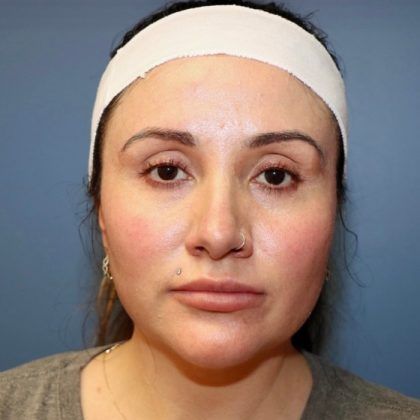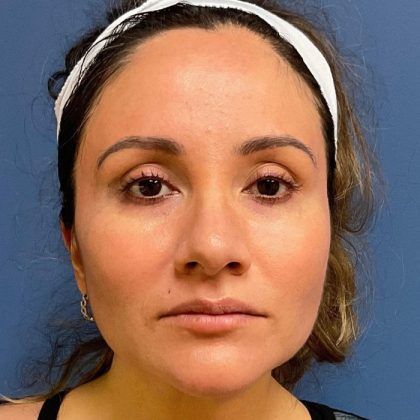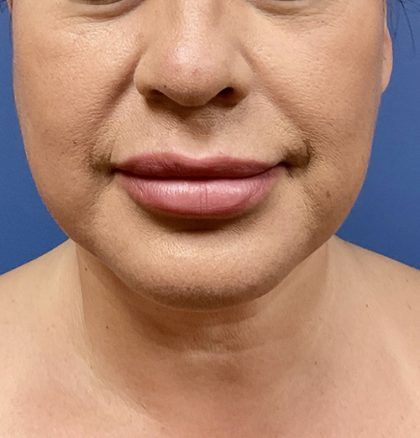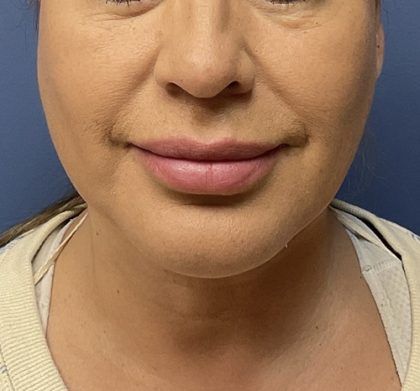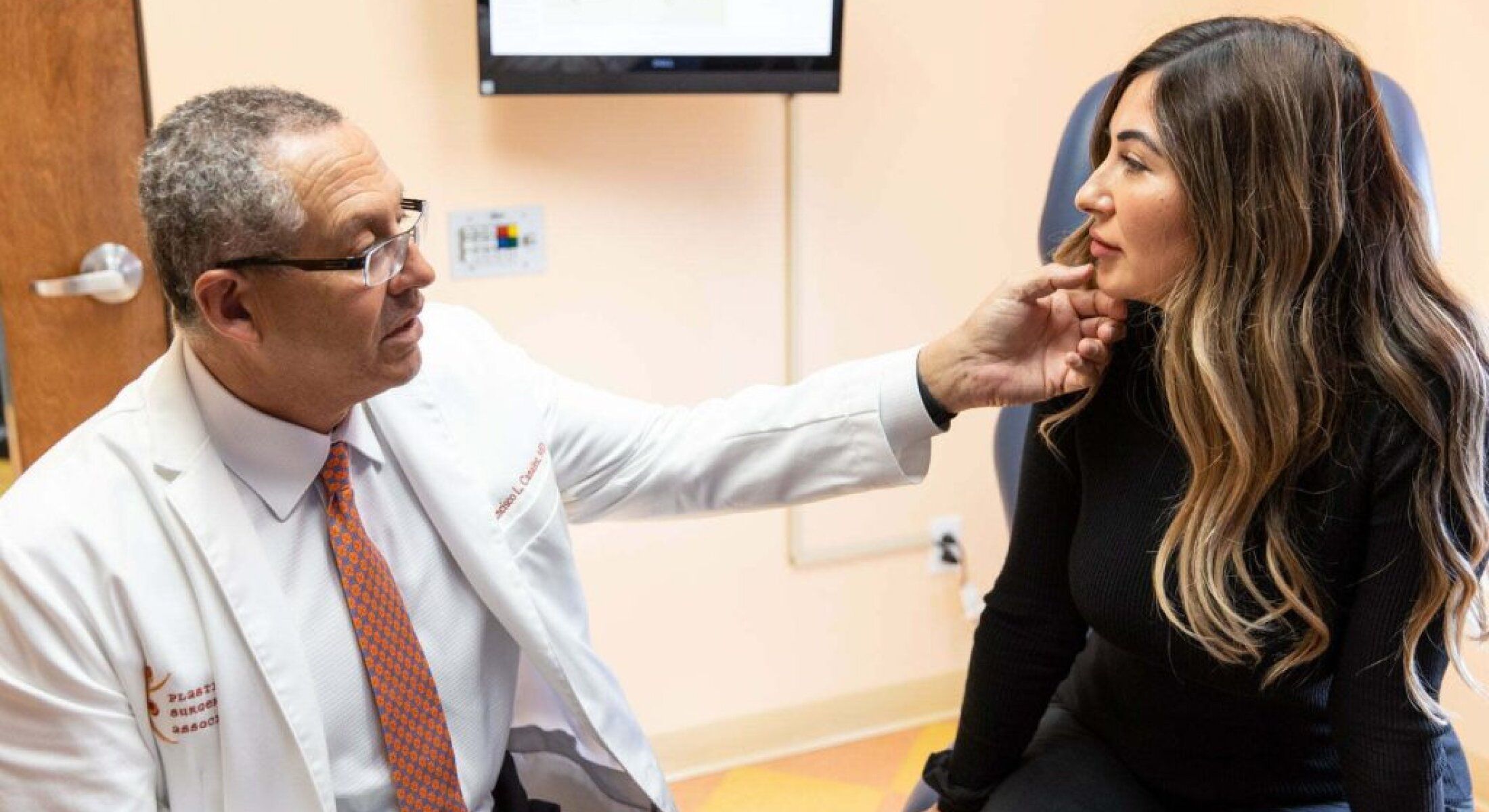
Buccal Fat Removal
in Marin County
in Marin County
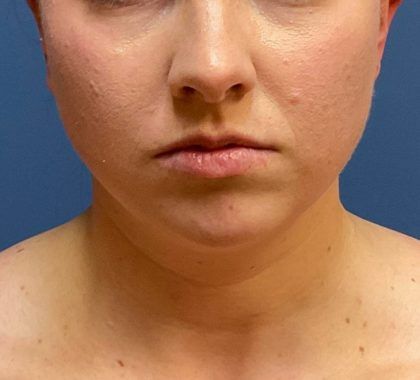
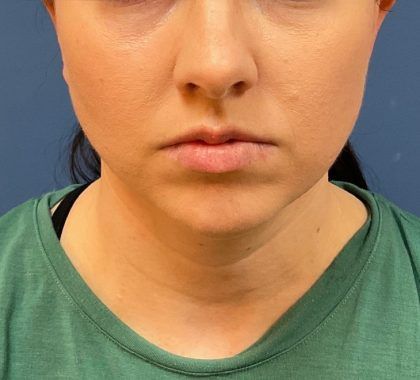
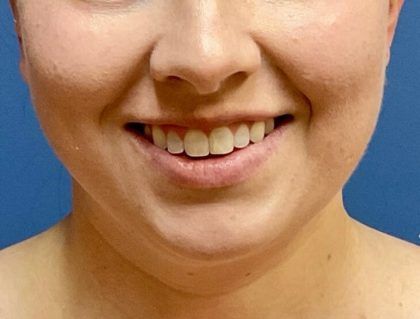
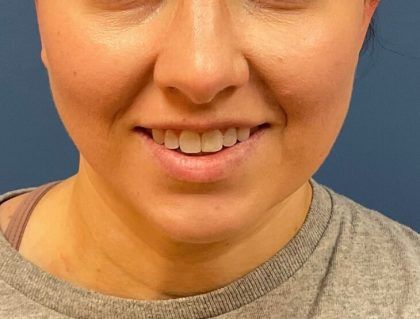
Some faces keep their fullness no matter how healthy the routine is. Buccal fat removal is for patients who feel their cheeks still look round, heavy, or a little too soft for their desired facial shape, even at a stable weight. For patients in Marin County, the goal is a cleaner facial contour, slimmer cheeks, and stronger cheekbone and jawline definition that still looks natural.
1 of 4
Buccal fat removal is a surgical procedure that removes part of the buccal fat pad from the cheek area through a small incision inside the mouth to slim the lower face and improve facial contouring. It is also called buccal fat pad removal or buccal fat reduction.
The buccal fat pad is a naturally occurring pocket of fat tissue between the cheekbones and jawbones. Everyone has these fat pads, but the amount varies from person to person. In patients with persistent cheek fullness, buccal fat removal surgery can make the face look less round and bring out more definition.
At A Glance | Details |
|---|---|
| Best For | Adults with naturally full lower cheeks, round cheeks, or a “baby face” look who want more definition |
| Treatment Type | Outpatient facial contouring surgery |
| Downtime | Usually, about 1 to 2 weeks for early recovery |
| Pain Level | Usually mild to moderate |
| Treatment Length | Varies by patient and depends on the treatment plan |
| When Results Appear | As swelling subsides, with fuller buccal fat removal results often beginning to show around 6 weeks post op |
| How Long Results Last | Long-lasting, since the removed fat cells do not regenerate |
| Cost Or Pricing Note | Cost reflects surgical complexity, anesthesia, and whether other procedures are combined |

Buccal fat removal is meant to treat a very specific kind of fullness. It's most useful when the cheek area stays full even after weight has stabilized, and the rest of the face feels more refined than the lower cheeks. Patients tend to look into cheek reduction when they feel their facial appearance reads younger, softer, or rounder than they want.
Buccal fat pad removal is a focused surgery. It's not a catch-all answer for every facial contouring concern, which is why the initial consultation matters so much.
This is the main treatment zone. The buccal fat pad sits deep in the buccal region of the cheek. Removing a conservative amount can create slimmer cheeks and more visible cheek hollows.
The midface can look more sculpted after surgery, but indirectly. By reducing cheek fullness, the face can show a stronger contrast between the cheekbones and lower face. That's where the more sculpted appearance often comes from.
Buccal fat removal does not treat every cause of a fuller face. It does not tighten loose skin. It doesn't replace a facelift. It does not reliably fix jowls, neck fullness, or every type of smile line. If the concern is skin laxity, excess fat below the jawline, or age-related descent, other cosmetic procedures or facial contouring procedures may be more appropriate.
Not every fuller face needs buccal fat removal. In some cases, weight stabilization or another contouring approach may make more sense.

The best buccal fat removal procedure doesn't announce itself. It simply makes the face look a little cleaner, a little sharper, and more balanced. This is one reason the procedure appeals to patients who want refinement without a dramatic shift in their facial appearance.

A good candidate for buccal fat pad removal is usually someone with persistent round cheeks, good overall health, and realistic expectations about what the surgery can and can't do.
Candidacy depends on your facial structure, medical clearance, and your goals.
There is no single perfect age, but timing matters. Patients should have a fully matured facial structure before considering buccal fat removal surgery.
In younger adults, the question is whether the cheek fullness is truly persistent or whether the face is still settling. In older adults, the question is whether removing fat tissue now could create too much hollowness later as natural facial volume decreases with age.
That's why this isn't just about removing excess fat. It is about matching the procedure to the right face at the right time. A conservative surgical technique matters more here than in many other facial contouring procedures.
Buccal fat removal procedure steps are fairly straightforward, but the judgment behind them is what makes the result look natural. The goal is to reduce the right amount of buccal fat pad volume while protecting surrounding structures and preserving long-term balance.
Buccal fat removal is usually performed as an outpatient procedure through a small incision inside the mouth. After a measured amount of fat is removed, the incision is closed with sutures.
Because the buccal fat pad sits near important structures, surgical precision matters. Risks can include bleeding, infection, numbness, asymmetry, or injury to nearby salivary structures or facial nerves, which is why careful technique and patient selection are so important.
Most patients say this is easier than expected. Many patients do well with basic pain relief after surgery, though prescription pain medication can be provided when needed.
For this kind of facial contouring, less is often better. Prioritizing patient safety also means respecting how the face ages. A careful surgeon is thinking not only about today’s slimmer cheeks, but also about how the result will read years from now.
Buccal fat removal recovery is usually manageable, but it is still surgery. The cheeks swell, the insides of the mouth feel tender, and the first few days are more about healing than about seeing the final contour. Soft foods are usually easiest. Some patients start with cool liquids or a short liquid diet, then move into soft foods as the mouth becomes more comfortable.
Early aftercare usually includes ice packs, saltwater rinses, head elevation, and a soft-food diet.
Most patients can resume normal activities fairly quickly, but the swelling is visible before the benefit is. This is why social downtime matters more than pain for many patients. The face may look puffier before it looks slimmer. Many patients feel comfortable going back out after the first week, while more noticeable refinement tends to show later.
You will want to avoid strenuous exercise early on. Proper healing depends on giving the mouth and cheek area time to settle. Most patients take it easy in the first week, then gradually return to normal activities as cleared.
Time After Surgery | What To Expect |
|---|---|
| Days 1–3 | Swelling, tenderness, ice packs, oral rinses, soft foods, or liquids |
| Week 1 | Continued swelling, easier comfort, light activity only |
| About Three Weeks | More of the early contour is visible as swelling subsides |
| 1–3 Months | Buccal fat removal results continue to sharpen |
| Several Months | Final contour looks more settled and natural |
Buccal fat removal results are not immediate. Right after surgery, swelling can make the cheeks look fuller, not slimmer. As swelling subsides, the contour starts to sharpen. Many patients notice the first real change within 6 weeks after surgery.
This is one of those procedures where patience matters. If you judge the result too early, you will be judging swelling, not facial contouring.
Buccal fat reduction is long-lasting because the fat cells removed during surgery do not grow back.
That said, the rest of the face will still change with time. Weight changes and gravity can alter the surrounding facial appearance. Natural aging can reduce fullness elsewhere. This is why conservative planning matters so much. The safest result is the one that respects your facial structure instead of chasing the most aggressive cheek reduction possible.

Buccal fat pad removal has a clear advantage here: the incision sites are inside the mouth. That means there are no visible facial scars and no external scars on the cheeks. The internal tissue still needs time to heal, of course.
Not every fuller face needs buccal fat removal surgery. The right answer depends on why the face looks full.
Option | Best For | Main Difference |
|---|---|---|
| Buccal Fat Removal | Persistent cheek fullness in the lower cheeks | Removes part of the buccal fat pad |
| Facial Or Neck Liposuction | Excess fat under the chin or along the jaw | Treats a different layer and area of fat removal |
| Facelift | Skin laxity, jowls, or descent | Lifts tissue instead of removing buccal fat |
| Weight Stabilization | Fullness linked to changing body weight | May improve facial appearance without surgery |
| Other Cosmetic Procedures | Balance issues elsewhere in the face | May contour without cheek reduction |
Not every face needs surgery. In some cases, weight stabilization or another contouring approach may be the better first step, especially if cheek fullness is not coming mainly from the buccal fat pads.
Sometimes. If the issue is recent weight fluctuation, the first move may be getting to a stable weight. If the issue is skin laxity, tightening or lifting treatments may make more sense than fat removal. If the concern is balance rather than fullness, a different facial contouring approach may better support your desired facial shape.
What nonsurgical options cannot do is remove the buccal fat pad itself. That is the one change only a surgical procedure can create.
Yes. Buccal fat removal is sometimes combined with other cosmetic procedures when the goal is broader facial contouring. That may include chin augmentation, neck contouring, rhinoplasty, facial fat grafting, or selected rejuvenation procedures. In some cases, buccal fat removal may be combined with a facelift or another facial procedure when the overall plan supports it.
Combination planning should be selective. More surgery is not automatically better surgery.
Buccal fat removal is a procedure that depends on judgment as much as technique. At Plastic Surgery Associates, your care is led by board-certified plastic surgeons, including Dr. Francisco Canales, Dr. Heather Furnas, and Dr. Eric Culbertson, with a practice philosophy centered on precision, restraint, and facial balance.
For patients in Marin County, choosing the right surgeon matters. This is not a procedure where more removal automatically means a better result. An experienced surgeon knows how to evaluate facial structure, identify who is a good candidate, and plan a result that looks refined without creating a hollow or overdone appearance. At Plastic Surgery Associates, the focus is on safe surgery, thoughtful planning, and results that still make sense for your face over time.
If you are considering buccal fat removal in Marin County, schedule a consultation with Plastic Surgery Associates. We can evaluate your cheek fullness, facial structure, and goals, then build a treatment plan that fits your face instead of forcing your face into a trend.
Cost depends on the complexity of surgery, the anesthesia plan, and whether other procedures are being combined.
The removed fat cells do not regenerate, so the change is generally long-lasting. The face will still continue to age naturally over time.
Buccal fat removal risks can include bleeding, infection, asymmetry, numbness, injury to facial nerves or salivary structures, and an over-hollow result if too much fat is removed. These risks are one reason surgeon selection matters.
It can if the wrong patient has surgery or if too much fat is removed. That is why conservative planning is vital and why an experienced surgeon will look at how your face will age over time.
Most patients start with soft, cool foods and gradually return to a more normal diet over the next couple of weeks. Follow your surgeon’s instructions to ensure proper healing.
Light normal activities often return quickly, but strenuous exercise usually needs to wait until you are cleared. The first week is typically the most restrictive.
Usually not. Internal sutures are often absorbable, though your surgeon will confirm exactly what to expect.
Interested to find out which treatment is right for you?